
How Digital Transformation Is Redefining Medical Work

The digital transformation of the healthcare sector has dramatically reshaped how medical professionals work. In the past, doctors, nurses, and other health workers were bound by fixed schedules and specific locations within hospitals. Today, a new model has emerged — the flexible healthcare professional. Through digital innovation, medical workers can now deliver care anytime and anywhere, without compromising service quality.
This concept has flourished alongside the rise of digital health platforms that connect healthcare professionals directly with patients. Through apps and websites, patients can choose doctors, nurses, or therapists based on their needs, while healthcare professionals can set their schedules according to availability. This creates a win-win situation — efficiency for patients and professional freedom for medical workers.
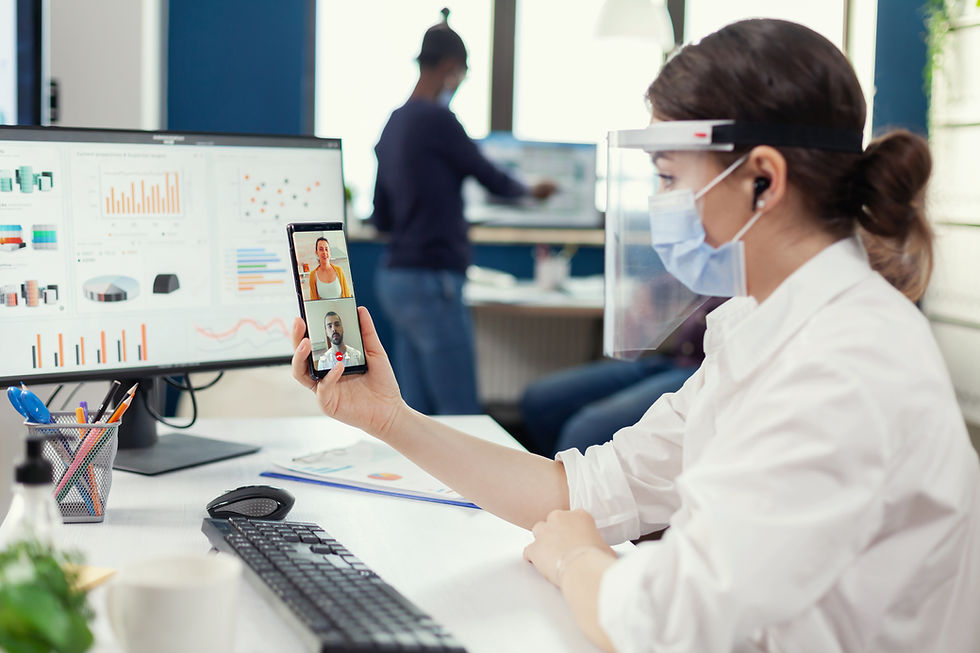
A major driving force behind this shift is telemedicine. With video consultations, interactive chats, and digital medical records, healthcare providers can diagnose and treat patients remotely. This approach is particularly valuable in regions with limited healthcare infrastructure. Patients in remote areas can now access qualified medical experts without traveling long distances.
The emergence of on-demand healthcare workforce management platforms further strengthens this trend. These platforms allow hospitals and clinics to find substitute or additional medical staff quickly, especially during peak patient periods or staff shortages. Medical professionals registered on these platforms can accept short-term or part-time assignments that fit their preferences.
This flexibility benefits not only the professionals but also enhances the resilience of national healthcare systems. During crises like pandemics, flexible deployment enables a rapid redistribution of medical personnel to where they are needed most. Digital technology serves as the critical bridge linking field needs with available human resources.
However, the rise of flexible healthcare work also brings challenges. Issues concerning social protection, legal rights, and professional ethics must be clearly regulated to ensure fair treatment and job security. Governments and health institutions are beginning to develop policies that guarantee non-permanent healthcare workers access to insurance, welfare benefits, and continuous training.
From an individual perspective, medical professionals are now expected to be digitally literate and adaptable. Mastering electronic medical records, data security, and online communication has become essential. Those who embrace these skills can work more efficiently and maintain patient trust.
Ultimately, digital technology not only creates flexibility but also fosters cross-professional and cross-regional collaboration. A doctor in Jakarta can work with a pharmacist in Bandung or a nurse in Yogyakarta to provide integrated care through digital systems. This represents the new face of healthcare — adaptive, collaborative, and technology-driven.
The rise of flexible healthcare professionals marks a new chapter in medical service delivery. Empowered by digital innovation, the medical field is no longer constrained by time or place but driven by a renewed commitment to innovation and humanity at its core.


Can digital tools really replace the human touch? It’s wild how the forge calculator helps players optimize ore combos in Roblox the forge calculator. Just like this article suggests, adapting tech makes everything smoother!